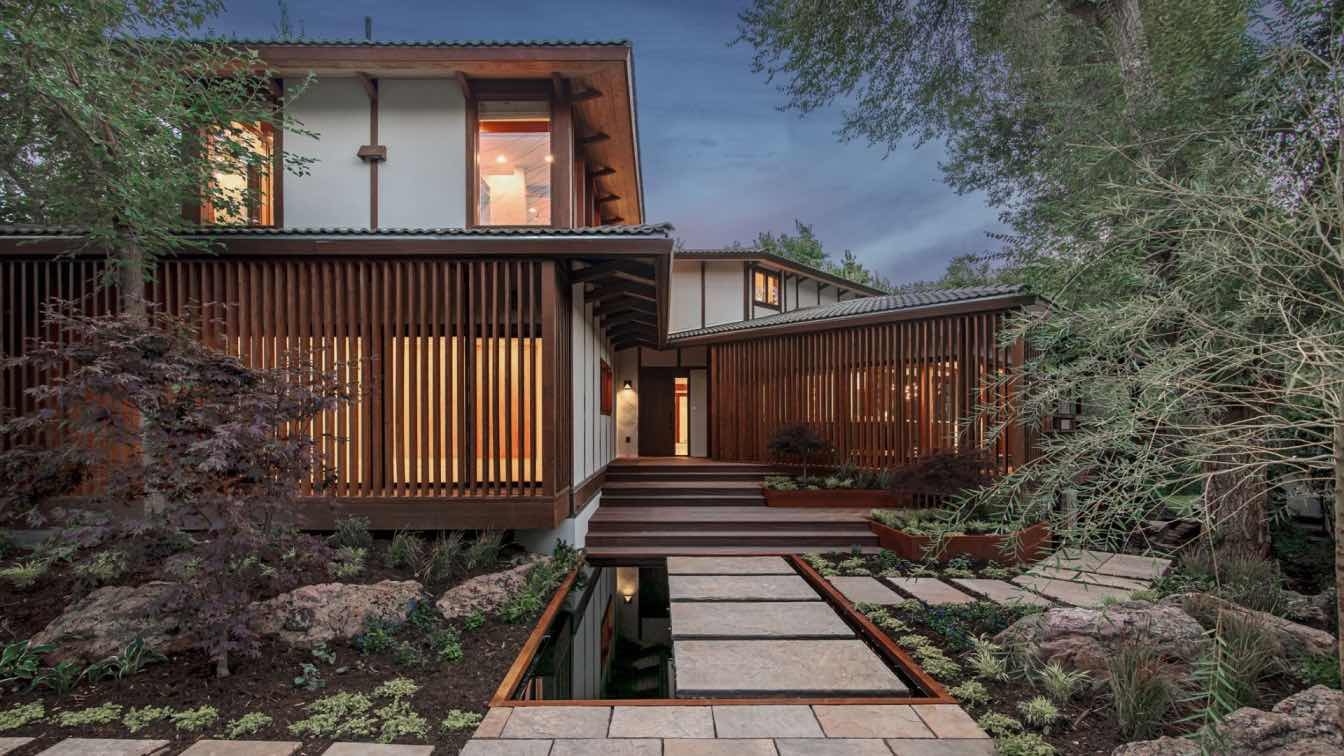
Home for Monks: A Journey into Sacred Spaces of Simplicity and Peace
When we hear the phrase “home for monks”, images of quiet monasteries, simple stone walls, candlelit prayer halls, and serene gardens often come to mind. These spaces have existed for centuries across different cultures, serving as places where monks live, pray, and dedicate their lives to spiritual growth. But a monk’s home is much more than just a building—it is a sanctuary of discipline, silence, and purpose. In this blog, we will explore the concept of homes for monks, their history, architecture, spiritual significance, and how these sacred spaces continue to inspire the modern world.
What Does “Home for Monks” Mean?
For most of us, a home is a physical structure where we live with family, pursue careers, and store possessions. For monks, however, the concept of home is deeply spiritual. A monk’s home—whether a monastery, temple, hermitage, or ashram—is not simply a shelter. It is a space designed to nurture inner peace, discipline, meditation, and detachment from worldly distractions.
In Buddhism, Christianity, Hinduism, and other traditions, monks live in communities where daily life revolves around prayer, study, and service. Their homes are usually simple, free of luxury, and carefully designed to reflect values of humility and spirituality.
Historical Roots of Monastic Homes
The tradition of monks living in dedicated spaces goes back thousands of years:
Buddhist Monasteries (Viharas): In ancient India, monks originally wandered from place to place. During the rainy season, however, they began staying in shelters called viharas. Over time, these developed into permanent monasteries, some of which still exist today in countries like Thailand, Sri Lanka, and Myanmar.
Christian Monasteries: In Christianity, monastic life began in the deserts of Egypt around the 3rd century. Saint Anthony and other desert fathers lived in caves or small huts before larger communities, like those of Saint Benedict, created structured monasteries in Europe.
Hindu Ashrams: Hindu monks, or sadhus, often lived in ashrams—simple hermitages in forests or near rivers, where they could meditate and teach disciples.
Tibetan Monasteries: In Tibet, monasteries were not only religious centers but also schools, libraries, and places of cultural preservation.
These traditions show that homes for monks have always been more than just shelters. They were—and still are—centers of spirituality, learning, and service.
Architecture of Monastic Homes
The architecture of a monk’s home is simple yet symbolic. While styles vary depending on culture and geography, certain features are common:
Simplicity: Monastic homes avoid unnecessary decoration. Walls are plain, furniture is minimal, and spaces are uncluttered to encourage focus and mindfulness.
Prayer Halls or Temples: Central spaces are reserved for meditation, chanting, or communal prayer. These halls often serve as the spiritual heart of the home.
Cells or Rooms: Individual monks usually live in small, modest rooms called cells. These rooms contain only the essentials—a bed or mat, a table, and sometimes a small altar.
Gardens and Courtyards: Nature plays a key role in monastic life. Many monasteries have gardens for quiet reflection, growing food, or connecting with the natural world.
Libraries or Study Rooms: Since monks often devote time to study, many homes include libraries filled with sacred texts.
This careful balance of simplicity and purpose ensures that every corner of the home supports spiritual discipline.
The Daily Life in a Monk’s Home
A home for monks is not just about structure—it is about rhythm. Monastic life follows a strict daily routine designed to harmonize body, mind, and spirit. A typical day may include:
Morning Prayers or Chanting: Monks usually rise before dawn to begin their day with prayer or meditation.
Meditation and Study: Hours are devoted to silent contemplation and the study of sacred texts.
Work and Service: Whether farming, cooking, teaching, or helping the community, monks engage in meaningful labor.
Communal Meals: Meals are often simple, eaten in silence, and sometimes shared with visitors or the poor.
Evening Prayers: The day ends with more prayers or chanting, followed by rest in simple rooms.
This routine transforms the home into a sacred space where every activity is an act of devotion.
Spiritual Significance of a Monk’s Home
Why do monks need a home at all, when spirituality can be pursued anywhere? The answer lies in the deeper purpose of monastic spaces:
Detachment from Distractions: By living in dedicated homes, monks remove themselves from worldly noise and temptation.
Community and Brotherhood: Monasteries foster a sense of family among monks who support each other in their spiritual journey.
Discipline and Order: The structured life within these homes cultivates discipline, which is essential for spiritual progress.
Service to Society: Monastic homes often serve as centers for teaching, healing, and guiding the community.
Thus, a monk’s home is not just a personal space—it is a gift to society.
Homes for Monks Around the World
Different cultures have created unique homes for monks, each reflecting local traditions:
Shaolin Monastery (China): Famous for combining Zen Buddhism with martial arts, the Shaolin Temple is both a spiritual and cultural icon.
Mount Athos (Greece): A monastic republic with over 20 monasteries, it has been home to Orthodox Christian monks for centuries.
Potala Palace (Tibet): Once the home of the Dalai Lama, this grand structure is both a monastery and a symbol of Tibetan culture.
Golden Temple Monasteries (Myanmar): Known for their shimmering beauty, they house thousands of monks in Southeast Asia.
Modern Monasteries (West): Even today, new monasteries and retreat centers are being built in the U.S., Europe, and beyond, offering spaces for monks and laypeople to connect with spirituality.
Modern Relevance of Monastic Homes
In today’s fast-paced, digital age, the idea of a monk’s home may seem distant. Yet, many people are rediscovering its value. Retreat centers inspired by monastic traditions are becoming popular, offering city-dwellers a chance to disconnect and recharge. Minimalist lifestyles, meditation apps, and even coworking retreats borrow inspiration from the monastic way of life.
In a sense, the monk’s home serves as a timeless reminder that peace does not come from material abundance.