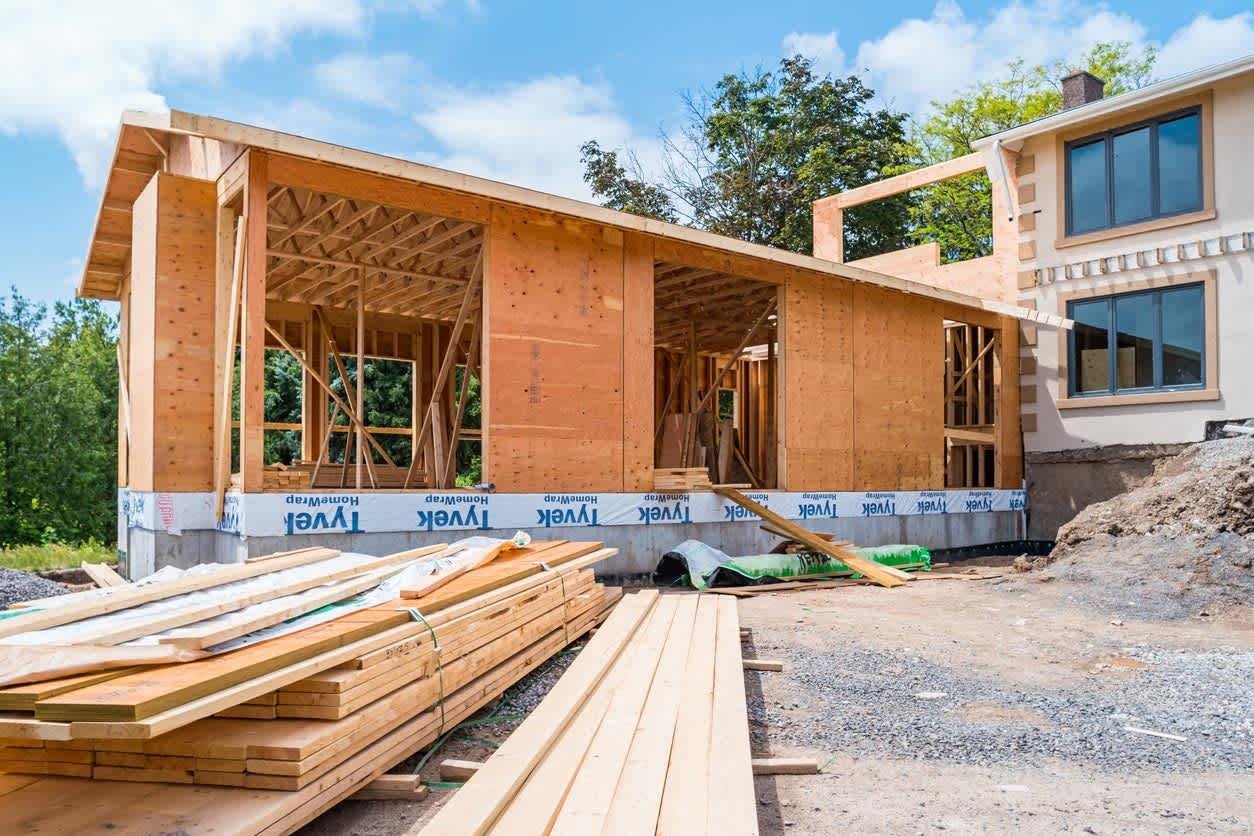
When a family outgrows their current living space, a familiar dilemma arises: is it better to move to a new house or to expand the one they already have? For many homeowners, the thought of leaving a beloved neighborhood, a good school district, or a home with sentimental value is a difficult one. This is where a home addition comes in, offering the perfect solution to create more room without changing your address. It’s a significant project, but when done right, a home addition can completely transform your living experience. And at the heart of every successful home addition is a skilled professional: the home addition contractor.
Unlike a simple DIY project or a small-scale renovation, a home addition is a major construction undertaking. It involves structural changes, and often requires new plumbing, electrical wiring, roofing, and sometimes even a new foundation. A home addition contractor is the expert who specializes in this kind of work, ensuring that your new space is not only beautiful but also safe, legal, and built to last.
The Role of a Home Addition Contractor: A Project Conductor
Think of a home addition contractor as the conductor of an orchestra. They don’t just swing a hammer; they manage the entire process, bringing together all the different parts of the project to create a harmonious result. Their main job is to take your vision for a bigger, better home and turn it into a reality, handling the complex details so you don’t have to.
What They Do:
- Initial Consultation and Design: The process begins with a conversation. The contractor sits down with you to understand your needs, ideas, and budget. They can provide valuable insights on what is feasible and suggest creative solutions you might not have considered. Often, they work closely with architects and designers to draw up detailed plans that bring your dream space to life on paper.
- Navigating Bureaucracy: This is one of the most crucial roles of a contractor. Building a new structure requires permits and approvals from local authorities. Contractors are experts at this. They know the zoning laws, building codes, and paperwork required to get your project approved legally. This saves you from the headache of navigating complex rules and potential fines.
- Managing the Team: A home addition project is a team effort. It involves electricians, plumbers, roofers, framers, and inspectors. The contractor is the single point of contact who coordinates all these different specialists, making sure they are on site when needed and that their work is aligned with the overall plan.
- Overseeing Construction: From the first shovel of dirt for the foundation to the final coat of paint, the contractor oversees every step of the construction process. They ensure that all work meets high standards of quality and safety.
- Budget and Timeline Management: One of the biggest fears for homeowners is that a project will go over budget or take much longer than expected. A good contractor provides a detailed, transparent estimate and sticks to it. They also create and manage a timeline to keep the project moving forward efficiently.
A Variety of Home Additions: Expanding Your Space in Different Ways
Home addition contractors have the skills to handle a wide range of projects, each with its own unique challenges. The type of addition you choose often depends on your needs, your budget, and the space available on your property.
- Room Additions: This is the most common type of home addition. It involves building a new room, such as a master bedroom suite, a guest room, a new bathroom, or a larger family room. This is a perfect solution for growing families who need more space for daily living.
- Second-Story Additions: If your lot size is limited but you need more space, building up is an excellent option. Adding a second story can double your living area without taking up more yard space. This is a complex project that requires significant structural work, making a professional contractor absolutely essential.
- Bump-Out Additions: A “bump-out” is a smaller extension of an existing room. For example, you might add a small space to your kitchen to create a breakfast nook or expand a living room to make it more spacious. These projects are generally less expensive and disruptive than full-scale additions.
- Garage Conversions: If you have an unused garage, a contractor can transform it into a functional living space, such as a home office, a gym, a playroom, or a guest suite. This is a cost-effective way to add valuable square footage without having to build a new structure from scratch.
- Sunrooms or Enclosed Patios: A sunroom is a great way to add a bright, comfortable space to your home where you can enjoy the outdoors without being exposed to the elements. These additions can be more straightforward than a full room addition, but still require a contractor’s expertise to ensure proper sealing, insulation, and structural integrity.
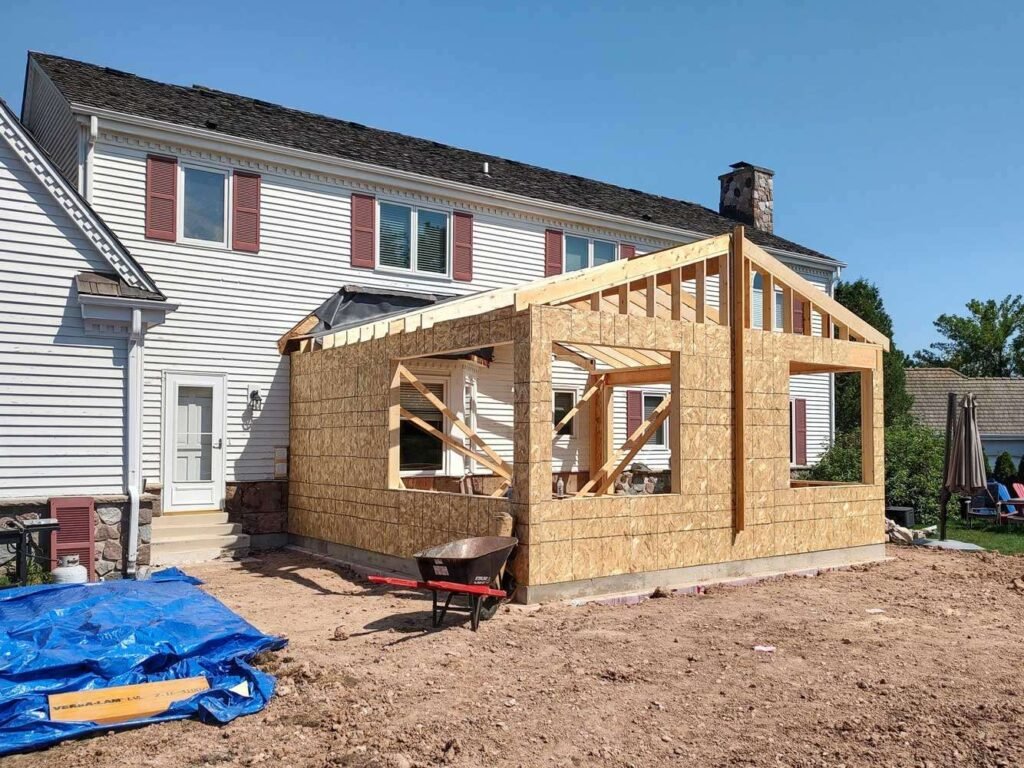
Why You Can’t Do It Yourself: The Value of a Professional
While the idea of a DIY home addition might seem appealing to save money, the reality is that these projects are far too complex and risky for most homeowners. A professional contractor provides a level of expertise that is indispensable.
- Expert Knowledge: They understand everything from the subtle nuances of local building codes to the best materials for a given climate. This knowledge prevents costly mistakes and ensures the finished project is safe and sound.
- Project Management: A contractor has the experience to coordinate all the different moving parts of the project. They know which tasks need to be completed in what order, and they have established relationships with skilled tradespeople. This streamlined process prevents delays and ensures a smoother experience for you.
- Quality and Workmanship: A professional contractor is committed to doing the job right. They use quality materials and employ skilled workers to ensure that your addition is built to last and looks great.
- Budget and Time Control: A good contractor provides a detailed, transparent estimate and sticks to it. They also create and manage a timeline to keep the project moving forward efficiently. While unexpected issues can arise, a professional has the experience to handle them without major overruns.