Home AC Not Blowing Cool Air? Causes, Fixes, and Prevention
There’s nothing worse than coming home on a hot summer day, turning on your air conditioner, and realizing the AC is not blowing cool air. Your home becomes uncomfortable, frustration builds, and you start wondering whether it’s a minor issue or a costly repair.
Fortunately, many times the problem is fixable, and understanding the possible causes can save you time, money, and stress. In this blog, we’ll explore the common reasons why your AC is not cooling, troubleshooting steps, professional solutions, and preventive maintenance tips to keep your system running smoothly.
Why Is My Home AC Not Blowing Cool Air?
Air conditioners are complex systems with multiple components working together—compressors, coils, refrigerants, fans, filters, and electrical parts. If even one element isn’t working properly, your unit may fail to produce cold air.
The most common reasons include:
Dirty or Clogged Air Filter
A blocked filter restricts airflow, causing warm air circulation and strain on the system.
Low Refrigerant Levels
Refrigerant is the cooling agent inside your AC. If levels are low due to a leak, your AC will blow warm air.
Thermostat Issues
Incorrect thermostat settings or malfunctioning sensors can prevent your AC from cooling.
Frozen Evaporator Coil
When coils freeze due to restricted airflow or low refrigerant, your AC won’t function properly.
Dirty Condenser Unit
The outdoor unit expels heat. If clogged with dirt, leaves, or debris, it cannot release heat efficiently.
Electrical Problems
Faulty wiring, blown fuses, or tripped breakers may stop the cooling cycle.
Leaky Ductwork
Holes or gaps in ducts can cause cool air to escape before reaching your rooms.
Aging AC System
If your system is 10–15 years old, lack of cooling may simply be due to wear and tear.
Troubleshooting Steps You Can Try at Home
Before calling in a professional, you can try some basic troubleshooting. Many times, the issue is simple and can be fixed without spending a lot of money.
- Check and Replace the Air Filter
Locate your filter (usually near the return vent or air handler).
If it looks dirty or clogged, replace it immediately.
Filters should be changed every 1–3 months for optimal performance.
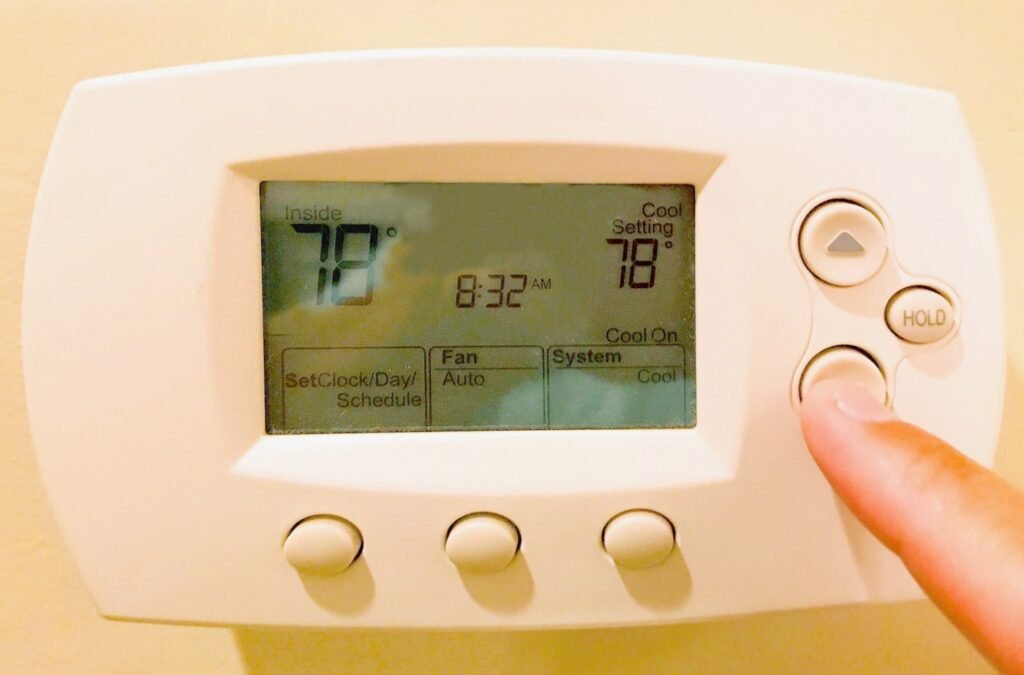
- Inspect the Thermostat
Replace thermostat batteries if necessary.
For smart thermostats, check Wi-Fi connections or reset the device.
- Check Circuit Breaker and Power Supply
A tripped breaker can shut down the outdoor unit. Reset it if necessary.
Make sure the AC unit is plugged in and receiving power.
- Clean the Outdoor Unit
Turn off the power.
Remove leaves, dirt, and debris from around the condenser.
Use a garden hose (gently) to wash off dirt from the fins.
- Inspect Air Vents and Ducts
Make sure vents are not blocked by furniture or rugs.
If airflow seems weak, there could be a duct leak that requires professional inspection.
- Defrost Frozen Coils
If you notice ice buildup, turn off the AC but keep the fan running to thaw the coils.
This may take several hours. If it happens repeatedly, it’s a sign of a deeper issue like low refrigerant.
When to Call a Professional
While DIY steps can solve minor issues, certain problems require expert help. Call a licensed HVAC technician if you notice:
Refrigerant Leaks: Only certified professionals can safely handle and refill refrigerants.
Repeated Coil Freezing: Indicates a deeper issue that needs diagnosis.
Persistent Warm Air: After troubleshooting, if the AC still isn’t cooling, it may involve compressor or motor failure.
Strange Noises or Smells: Grinding, buzzing, or burning smells may signal dangerous electrical issues.
Old Age of System: If repairs cost more than half the price of a new unit, replacement is often recommended.
Common Repair Solutions for an AC Not Cooling
Here’s how professionals typically resolve issues when your AC isn’t blowing cool air:
Refrigerant Recharge: Fixing leaks and refilling refrigerant gas.
Coil Cleaning: Deep cleaning of evaporator and condenser coils for efficient heat exchange.
Electrical Repairs: Fixing faulty capacitors, relays, or wiring.
Duct Sealing: Repairing leaks in ductwork to restore proper airflow.
Thermostat Replacement: Installing a modern programmable or smart thermostat.
Motor or Compressor Repair: Replacing failing parts to restore full cooling capacity.
Preventive Maintenance Tips
Prevention is always better than costly repairs. Here are ways to keep your AC running efficiently:
Schedule Regular Maintenance
Have your system inspected at least once a year, ideally before summer.
Replace Filters Frequently
Never wait until the filter is completely clogged. Mark reminders on your calendar.
Keep Outdoor Unit Clean
Maintain a 2–3 foot clearance around the condenser to allow proper airflow.
Seal Windows and Doors
Reduce strain on your AC by keeping cool air inside and hot air outside.
Use Ceiling Fans
They help circulate cool air, allowing the AC to work less.
Upgrade Insulation
Proper attic and wall insulation helps maintain cool indoor temperatures.
Invest in Smart Controls
Smart thermostats can optimize cooling schedules and alert you to potential issues.
How Much Do AC Repairs Cost?
Costs vary depending on the issue:
Air Filter Replacement: $10–$50
Thermostat Replacement: $100–$300
Refrigerant Recharge: $200–$500
Coil Cleaning: $100–$400
Duct Repair: $300–$1,000
Compressor Replacement: $1,200–$2,500
If your AC is over 10 years old, replacing it may be more cost-effective than frequent repairs.
Should You Repair or Replace Your AC?
Here’s a quick rule of thumb:
Repair if the system is relatively new, the problem is minor, and repair costs are low.
Replace if your AC is older than 10–15 years, keeps breaking down, or if repair costs exceed 50% of a new unit.
Modern AC systems are more energy-efficient, which means lower electricity bills and better cooling performance.
Conclusion
If your home AC is not blowing cool air, don’t panic. Many issues—like dirty filters, thermostat problems, or minor blockages—are easy to troubleshoot on your own. However, persistent problems such as refrigerant leaks, coil freezing, or compressor failure require professional repair.
By combining regular maintenance with smart troubleshooting, you can extend the life of your system, avoid costly breakdowns, and enjoy cool comfort even during the hottest summer months.
Remember: A cool home is not just about comfort—it’s about health, productivity, and peace of mind. So, give your AC the care it deserves, and it will keep you refreshed for years to come.